
Chain Piecing in Quilting: Boost Your Efficiency With This Simple Technique
Chain piecing in quilting is one of those wonderfully simple techniques that makes a big difference in how efficiently you sew. After focusing on accurate cutting and consistent 1/4″ seams in the first two weeks of this quilting skills series, chain piecing is the perfect next step. It helps you piece quilt blocks faster, stay organized, reduce thread waste, and keep your sewing rhythm steady — all while supporting the accuracy you’ve already been working on.
When purchasing through links on this site, I may earn an affiliate commission at no cost to you.
Whether you’re a newer quilter still building confidence or a more experienced quilter looking to streamline your workflow, chain piecing is an easy upgrade that can make quilting feel smoother and more enjoyable. In this post, we’ll talk about what chain piecing is, why it’s worth using, how to do it step-by-step, and how leaders and enders can make it even more efficient.
Let’s make your sewing time faster, tidier, and a whole lot more satisfying!
What is Chain Piecing in Quilting?
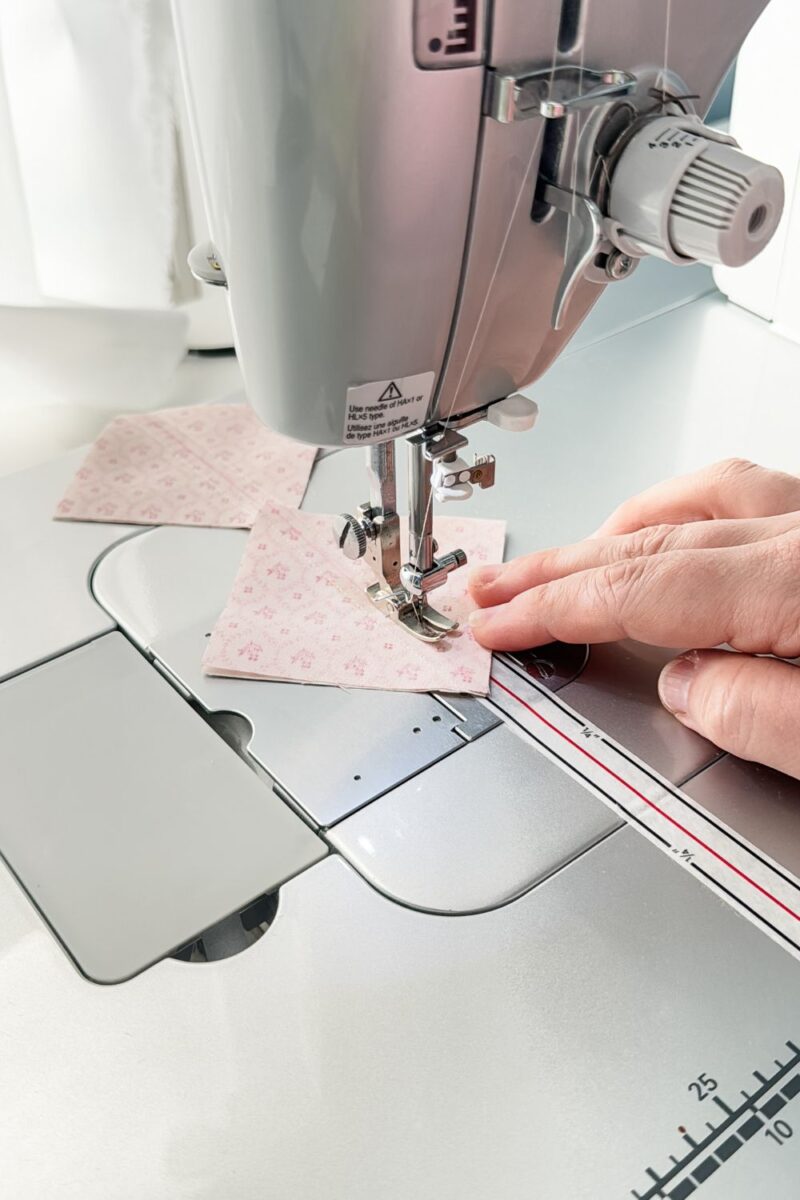
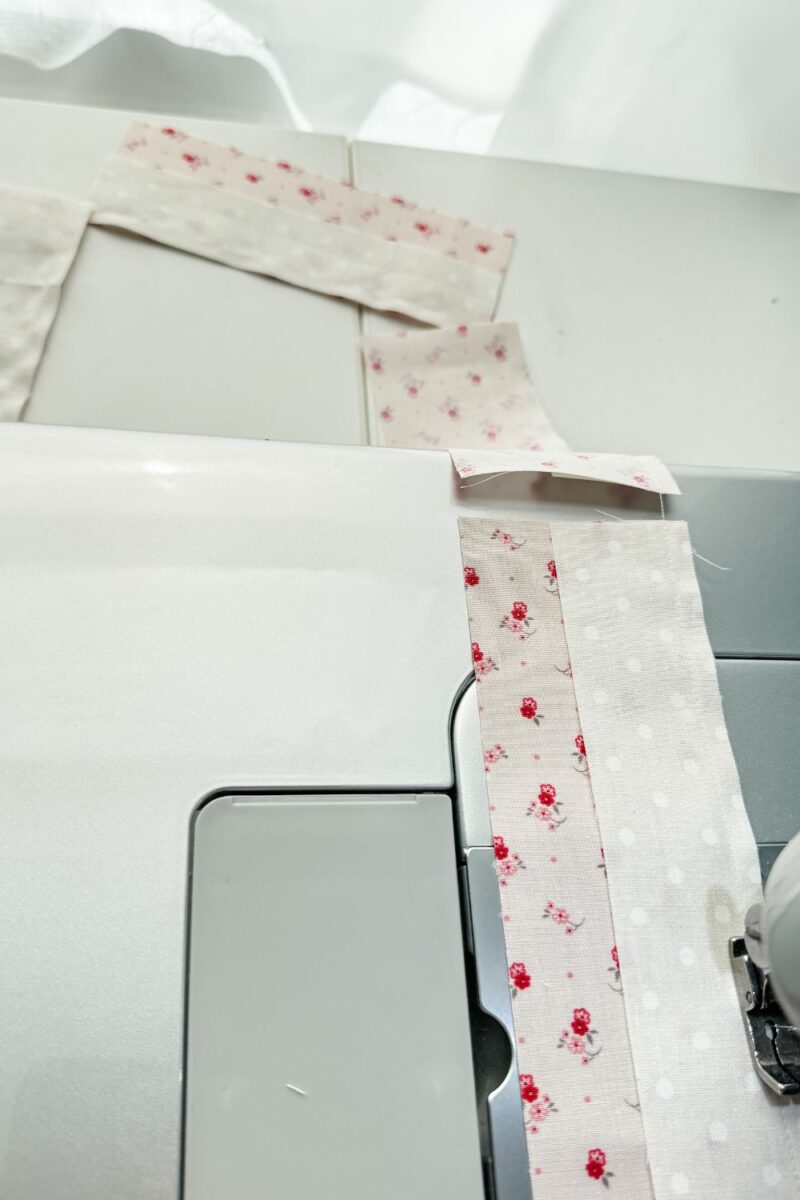
Chain piecing refers to sewing multiple pieces of fabric together in a continuous sequence without cutting the thread between each set. It eliminates the need to start and stop after every seam, allowing you to stitch several pieces at once in an uninterrupted line.
Why Should You Use Chain Piecing?
Chain piecing offers multiple advantages that can improve both your quilting experience and final results. Here are a few reasons why quilters swear by this technique:
- Time Efficiency: Instead of cutting thread after every seam, you stitch multiple fabric units at once. This speeds up the entire piecing process.
- Consistent Seam Allowance: By feeding one piece after another through your machine, you maintain a consistent quarter-inch seam allowance.
- Less Thread Waste: Continuous stitching between units minimizes the amount of thread used, reducing waste.
- Organizational Benefits: Chain piecing keeps your blocks in order, making it easier to assemble quilt tops with multiple blocks.
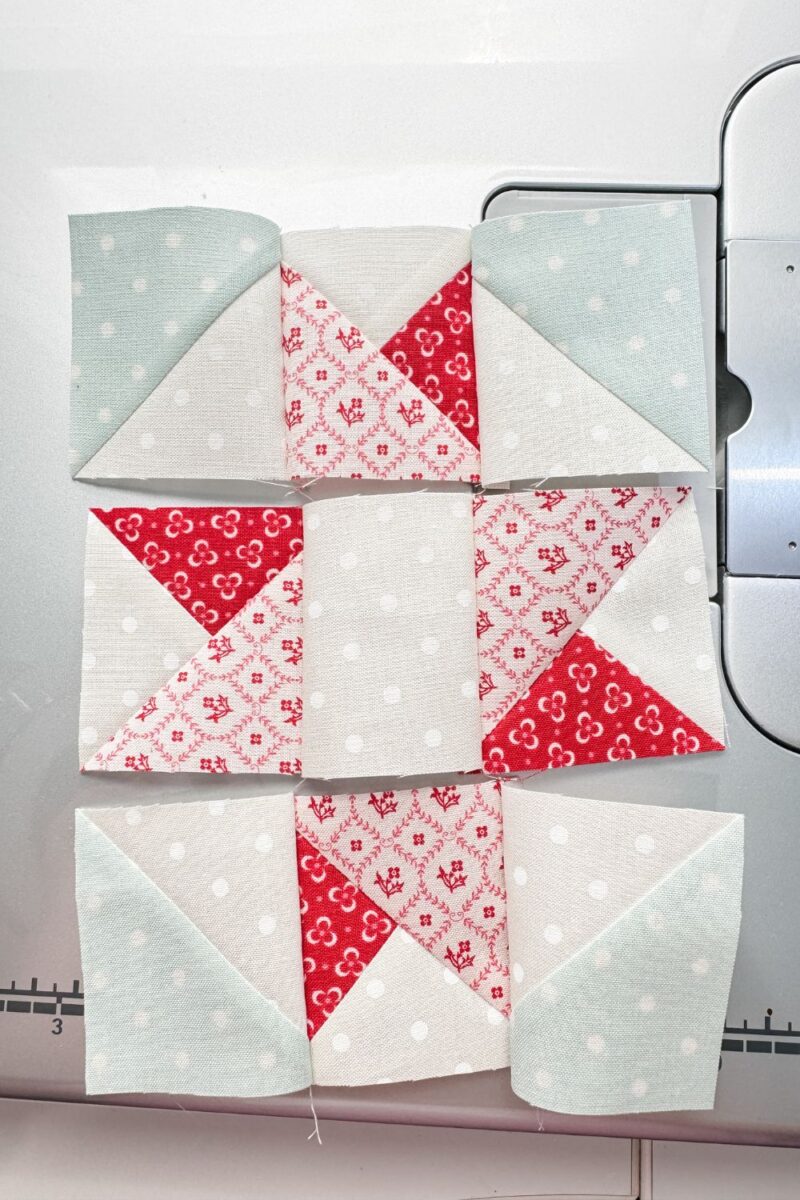
How to Chain Piece: Step-by-Step Guide
The Benefits of Using Leaders and Enders
Incorporating leaders and enders into your chain piecing can bring additional benefits. Leaders and enders are small scraps of fabric or even quilt blocks that you start and end your sewing with, rather than wasting thread. They serve as “bookends” to your chain piecing, preventing thread tangles and ensuring smoother seams. But that’s not all – leaders and enders can also be used to make another quilt!
How Leaders and Enders Work:
- Scrap Management: Place a small scrap of fabric (your leader) under your needle before beginning your chain piecing. This helps prevent the fabric from being pulled into the machine and keeps your stitches smooth.
- Create a Bonus Quilt: Instead of scraps, use patchwork squares as your leaders and enders. As you chain piece your main project, you’re simultaneously sewing a second project, piece by piece. Over time, this can result in a bonus leader and ender quilt!
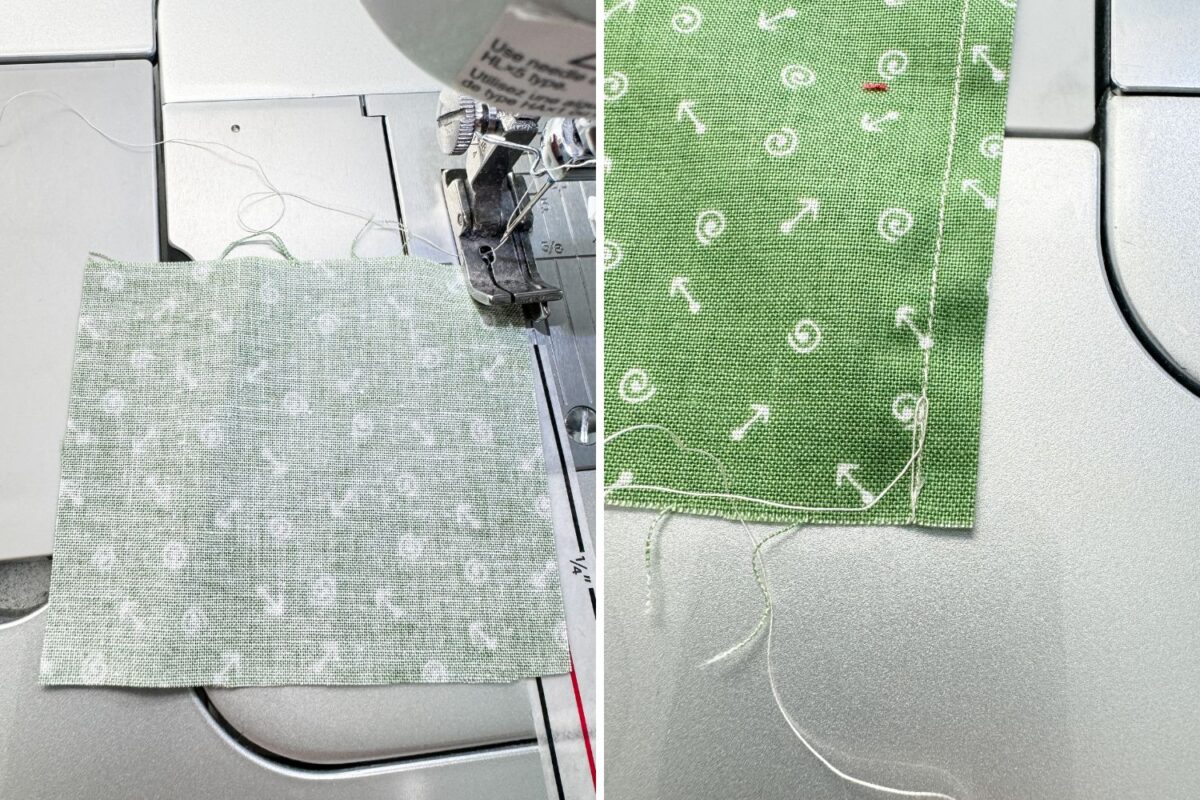
Using leaders and enders, whether it is scraps of fabric or extra quilt squares to be used in another project, also helps reduce thread nests. As you can see in the photo above, I started with a long started thread after rethreading my machine. And by just starting a new seam, the excess got balled up in the first several stitches. Leaders and enders is one way to prevent this from happening by never having a loose thread to begin a stitch line with since there is always a piece of fabric under the needle. Another option is to always pull up the bobbin thread and hold them to the back when starting a stitch, but this also wastes inches of thread each time.
Why You Should Try Leaders and Enders:
Thread Conservation: Leaders and enders reduce the thread waste caused by starting and stopping between chain piecing.
Accuracy: Leaders can help guide your fabric into the machine smoothly, resulting in straighter seams from start to finish.
Bonus Quilts: Why not work on two projects at once? By using patchwork squares as leaders and enders, you can slowly assemble an entirely separate quilt with no extra effort.
Final Thoughts on Chain Piecing
If you’re looking for a simple way to make quilting feel faster, smoother, and more enjoyable, chain piecing is definitely worth adding to your sewing routine. It not only speeds up your piecing, but also helps reduce thread waste, supports more consistent seams, and keeps your quilt pieces organized as you sew.
And if you want to take it one step further, incorporating leaders and enders adds even more efficiency — whether you’re using scrap pieces to prevent thread nests or slowly building a bonus quilt in the background while you work on your main project.
Whether you’re sewing simple patchwork or more intricate quilt blocks, chain piecing is a small habit that can make a big difference. Set up your machine, gather your fabric pieces, and give it a try — you may find yourself wondering how you ever pieced quilts without it!