
How to Avoid Stretching Fabric on the Bias (and Why It Matters)
If your quilt blocks are suddenly wavy, slightly oversized, or just not lining up the way they should… there’s a really good chance bias stretch is part of the problem.
When purchasing through links on this site, I may earn an affiliate commission at no cost to you.
And the tricky part? It usually happens without you noticing.
Once you understand where bias shows up and how to handle it, your piecing gets noticeably more accurate—without sewing any slower.

What Is the Bias in Quilting?
In quilting cotton, fabric stretches the most on the bias, which is the diagonal direction of the fabric (at a 45° angle to the straight grain).
- Straight grain = stable
- Cross grain = slightly more give
- Bias = very stretchy
That stretch is exactly what we want for things like curved piecing… but for most quilt blocks, it’s working against you.

Understanding Straight Grain vs. Cross Grain (and the Selvedge)
Before we go further, it helps to quickly understand how grainlines relate to the selvedge—because this is where a lot of confusion happens.
- Straight grain (lengthwise grain) runs parallel to the selvedge
- Cross grain runs perpendicular to the selvedge (from selvedge to selvedge)
So when you’re cutting fabric:
- If you cut from selvedge to selvedge, you’re cutting on the cross grain
- If your piece runs along the selvedge direction, that’s the straight grain
The selvedge edges themselves show you the direction of the straight grain—they are essentially your built-in guide.
In terms of stability:
- Straight grain = most stable
- Cross grain = a little more give
- Bias (diagonal) = most stretch
This is why fabric behaves so differently depending on how a piece is cut—and why bias edges need a little extra care.
Where Bias Sneaks Into Your Quilts
Bias edges show up more often than you think:
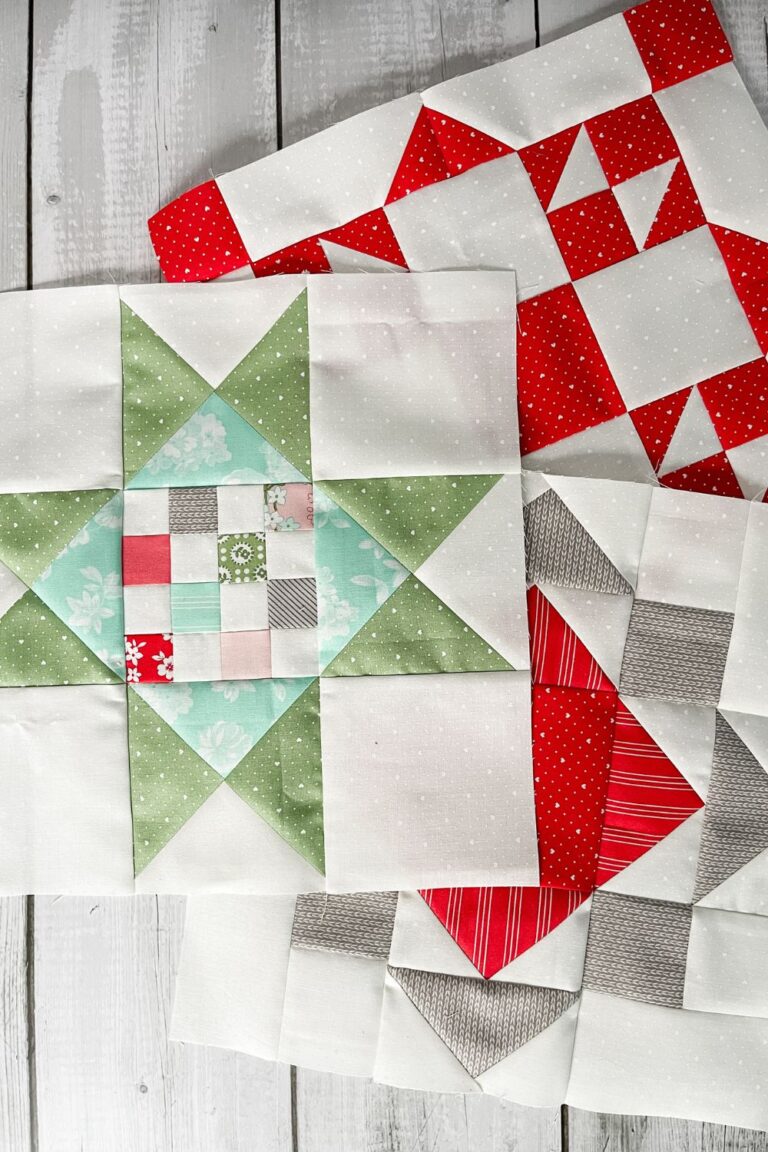
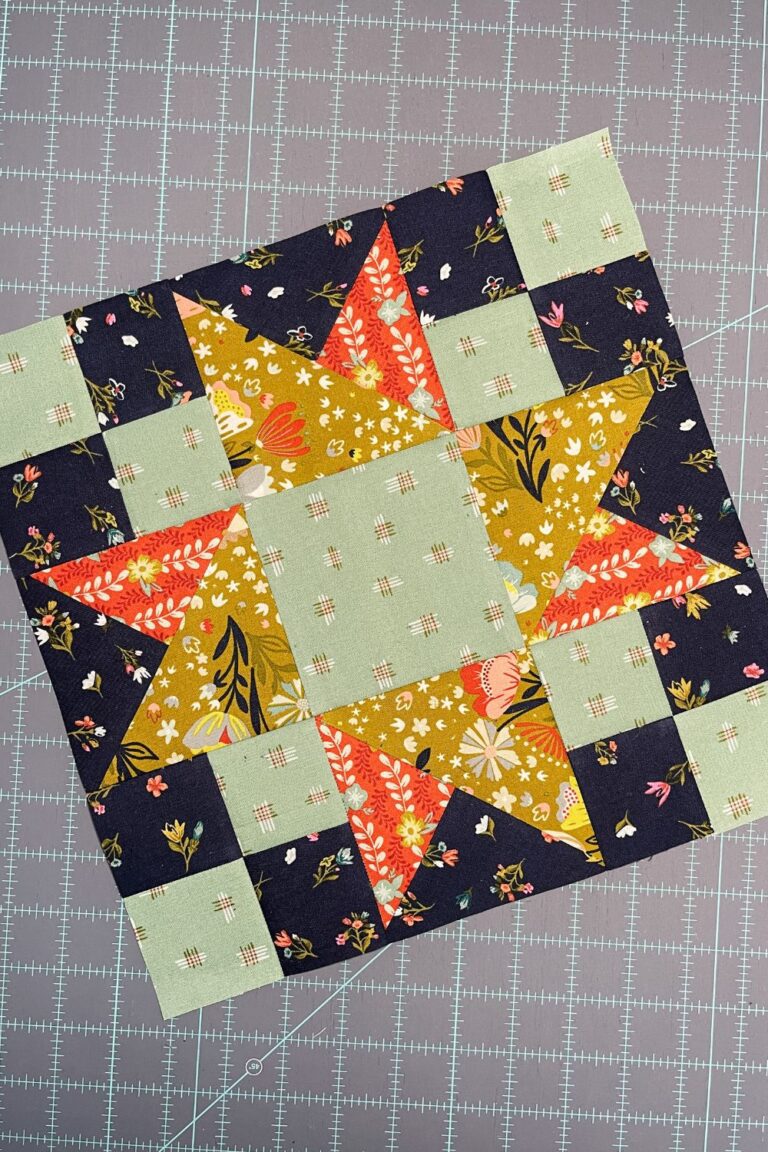
- Half Square Triangles (HSTs)
- Flying Geese
- Triangles in general
- Setting triangles
- Any time you cut or sew on a diagonal
If you’ve ever noticed your HSTs getting a little “wonky” before trimming… that’s bias at work.

What Happens When Fabric Stretches on the Bias
When bias edges get stretched, you might notice:
- Blocks that don’t measure correctly
- Edges that look wavy or curved
- Seams that won’t line up
- Quilt tops that ripple when laid flat
And the frustrating part is—you can sew a perfect 1/4″ seam and still end up with inaccurate blocks if the fabric stretched earlier in the process.
How to Prevent Stretching on the Bias
Once you know where bias shows up, the goal isn’t to avoid it completely—it’s to handle it differently.
The biggest shift is simply being more intentional with how you move and support your fabric. Bias edges don’t need much encouragement to stretch, so the less you mess with them, the better.
Keep Your Fabric Flat and Limit Handling
One of the easiest ways to improve accuracy is to keep your pieces flat as much as possible. Try not to pick them up more than necessary, especially smaller triangle units. If you can sew right from your layout or design board, even better.
Every time a bias edge is lifted, handled, or repositioned, there’s an opportunity for it to stretch just a little—and those small changes add up quickly.
Support Your Fabric While Sewing
Another thing that makes a bigger difference than people expect is how your fabric is supported while sewing.
If your pieces are hanging off the table, even slightly, gravity is pulling on those edges as you stitch. Over time, that creates distortion without you even realizing it.
Keeping everything supported on your table—or using an extension table—takes that pressure off and helps your seams stay true.
Press Without Distorting the Fabric
Pressing is one of the most common places bias stretch happens.
If you’re sliding your iron back and forth like you would when ironing clothes, you’re very likely stretching those edges. Instead, think of pressing as a lift-and-set motion. Let the heat do the work, then move the iron—no dragging.

It feels like a small change, but it makes a huge difference in how your blocks hold their shape.
Use Starch to Add Stability
And this is where I’ll say it again—starch helps. A lot.
Giving your fabric that extra structure before cutting makes bias edges far less prone to shifting in the first place. If you’ve ever compared starched versus unstarched HSTs, you already know how much easier they are to work with when they have a little body to them.
My personal starching routine begins before any fabric is cut. I spray all of my fabrics with Faultless spray starch until damp. I let it hang to dry completely. Then press the fabric flat and proceed with cutting.
Let Your Machine Do the Work
When it comes to sewing, you don’t need to slow way down, but you do want to stay in control.
Let your machine feed the fabric naturally and avoid pulling or pushing it through. If you’re guiding too aggressively—especially along a bias edge—you’re stretching it as you sew, even if your seam allowance is perfect.

Trim Without Forcing the Block
The same idea applies when trimming.
It’s really tempting to nudge or pull a block into place against your ruler to make it “fit,” but that’s usually working against you. Let the block rest how it naturally wants to sit, and trim based on that shape instead of forcing it.
My Personal Rule of Thumb
If a piece feels like it wants to stretch… it probably will.
So anything cut on the diagonal gets just a little more care. I handle it less, support it more, and don’t rush through pressing. It’s not about being extra careful with everything—it’s just knowing where it matters.
And honestly, once you start paying attention to bias, you’ll notice your accuracy improve across everything—not just triangle blocks.
Final Thoughts
Bias stretch is one of the biggest hidden causes of inaccurate quilt blocks—but it’s also one of the easiest to fix once you know what to look for.
You don’t need to sew slower or be more precise with your seams.
You just need to protect your fabric before it ever reaches the needle.